(803) 239-9030


NILD Educational Therapy® in Columbia, Lexington & the South Carolina Midlands
If your student has been struggling for a while, you already know what regular tutoring feels like. Someone goes over the material. They might do better on Friday's quiz. Then two weeks later, you are right back where you started. The information does not stick. The same mistakes keep showing up. The gap keeps widening.
That is not a discipline problem. That is not a motivation problem. That is what happens when the underlying way a student processes and organizes information has never been addressed. NILD Educational Therapy is different. It is not a review session. It is not homework help. It is a structured, research-based approach designed to get to the root of why learning is hard and then systematically rebuild those foundations so your student can function independently, in school and in life.
What Is NILD Educational Therapy?
NILD stands for the National Institute for Learning Development. NILD Educational Therapy is a highly individualized, cognitive, multi-sensory approach to learning disorders. The goal is not to help a student pass the next test. The goal is to train the brain toward independence: to change how a student receives information, how they think about it, how they organize it, and how they communicate it.
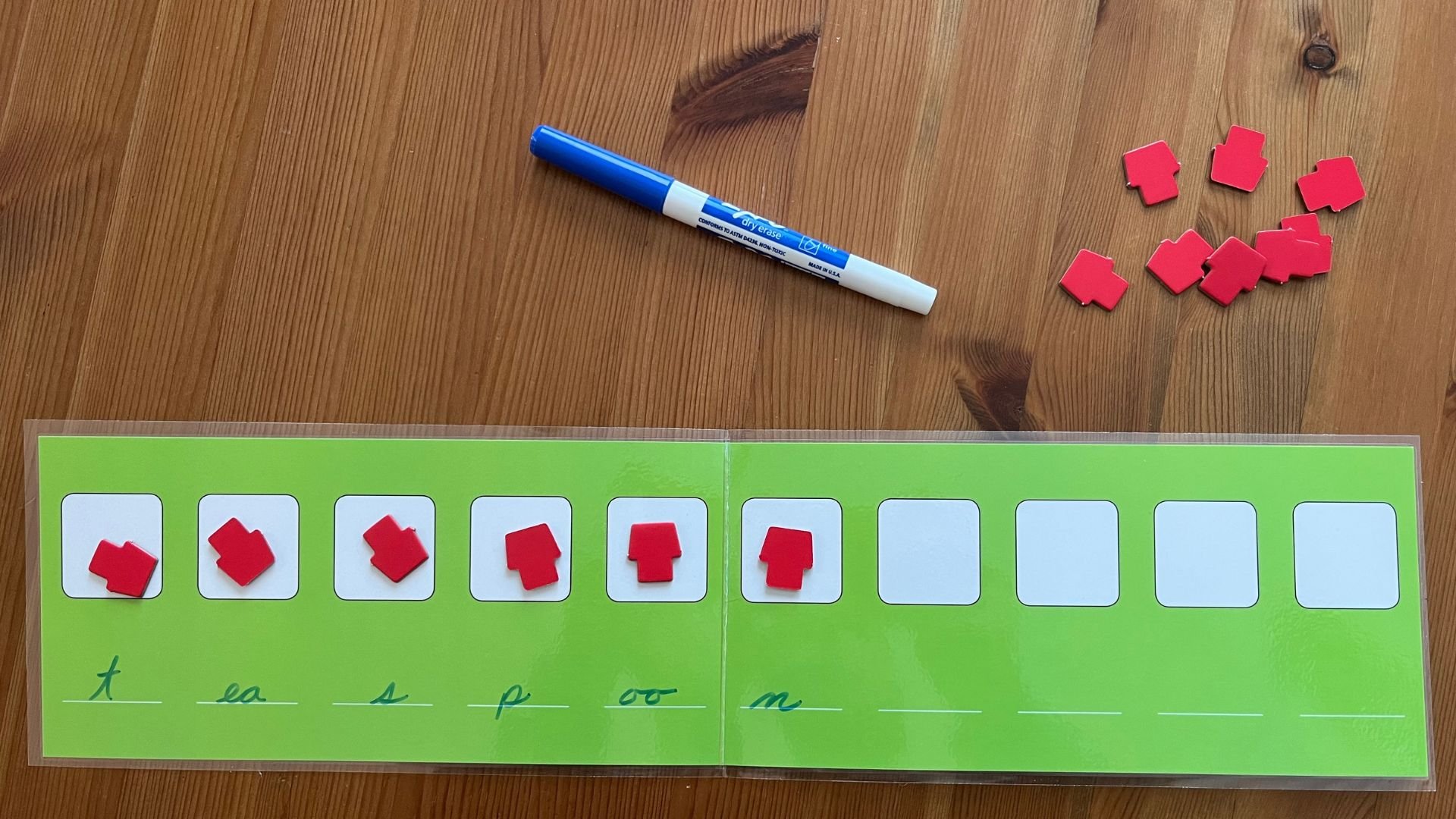
Think of it this way: most tutoring addresses what to think. NILD Educational Therapy addresses how to think. Every session is one-on-one, distraction-free, and specifically designed around your student's individual profile of strengths and weaknesses. Sessions are multi-sensory by design. Your student is not just listening or just reading. They are writing, speaking, touching, moving, problem-solving. This is how durable neural pathways are actually built.
Who Can Benefit From Educational Therapy?
NILD Educational Therapy is appropriate for students from second grade through adulthood. If you have heard any of the following from a teacher, a psychologist, a pediatrician, or your own gut, educational therapy may be exactly what is needed:
- Dyslexia
- Dysgraphia
- Dyscalculia
- ADHD or attention difficulties
- Auditory Processing Disorder
- Visual Processing difficulties
- Processing speed concerns
- Autism Spectrum Disorder
- Diagnosed learning differences of any kind
- General academic struggles without a formal diagnosis
- A bright child who cannot perform at the level everyone expects
A formal diagnosis is not required to begin. If your student is struggling and nothing else has worked, that is enough to have a conversation.
Why Would My Student Need This Instead of Just Tutoring?
Tutoring fills a gap. If your student missed a unit or needs help with essay structure, a tutor can cover that material. But tutoring cannot fix a processing issue. If the reason your student struggles with math is difficulty holding sequences in working memory, re-explaining the unit will not solve the problem. They need someone who can work on the underlying cognitive skill, not just re-teach the content.
Educational therapy addresses root causes. It asks: why is this hard? And then it works there, at the foundation, rather than constantly rebuilding on unstable ground.
Your student may need educational therapy rather than tutoring if:
- They have tried tutoring and keep falling back to the same struggles
- They understand something in a session but cannot reproduce it independently
- They read slowly, laboriously, or avoid reading altogether
- Their handwriting or written expression does not match their intelligence
- They get overwhelmed by multi-step tasks or instructions
- They have been told they are not working to their potential for years
How Does It Actually Help? What Changes?
Parents and students who stay with the process typically report changes that go beyond academics. They describe a shift in how the student talks about themselves. Less shame. More willingness to try hard things. A sense that they can figure things out.
Students typically develop stronger:
- Reading fluency and comprehension
- Written expression
- Math reasoning and retention
- Attention and focus
- Memory and information organization
- Problem-solving and independent thinking
The pace of progress varies by student. Factors like frequency of sessions, severity of the underlying difficulty, age, and consistency all play a role. This is a process, not a quick fix. But it is a process that works.
About the Approach at Sowing Minds
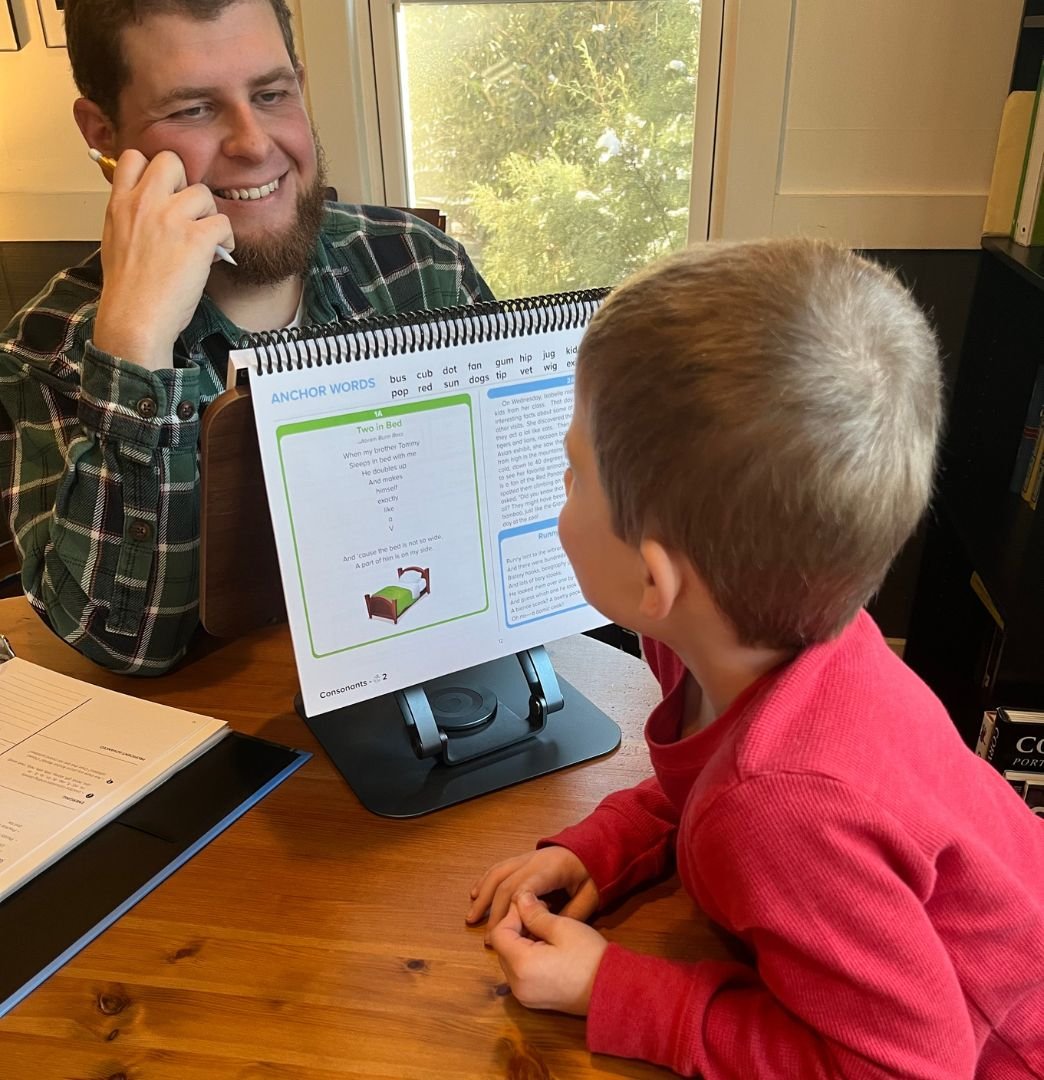
Jacob Bluebaugh is one of fewer than three male NILD-certified educational therapists in the country. His sessions are held one-on-one, in a structured, distraction-free environment. He uses a range of tools and techniques drawn from his NILD training, Feuerstein Instrumental Enrichment methodology, and fifteen years of applied experience with struggling learners.
Sessions are never cookie-cutter. Each student brings a unique profile, and the approach is constantly adjusted to meet that student where they are and push them toward where they can be. Jacob serves students from age five through adulthood, including homeschool families, students in traditional school settings, and adults across the South Carolina Midlands.
Investment and Scheduling
Educational therapy is a meaningful commitment of both time and resources. Because every student's situation is different, pricing and scheduling are discussed directly during the initial consultation. The best first step is a free 20 to 30 minute consultation call where Jacob learns about your student's specific situation and you can ask every question you have.
From there, he will give you a clear picture of what a recommended plan would look like, what the time commitment typically involves, and what the investment would be. There are no surprises. You will know exactly what you are committing to before anything begins.
Serving the South Carolina Midlands
Sowing Minds serves families and individuals in Lexington, Columbia, Lake Murray, Red Bank, Gilbert, Gaston, Pelion, Swansea, North, Springfield, Chapin, Neeses, and surrounding communities.
- Phone: 803-239-9030
- Email: info@sowingminds.com
- Hours: Monday through Friday, 7am to 5pm